
Meet our keynote and invited speakers
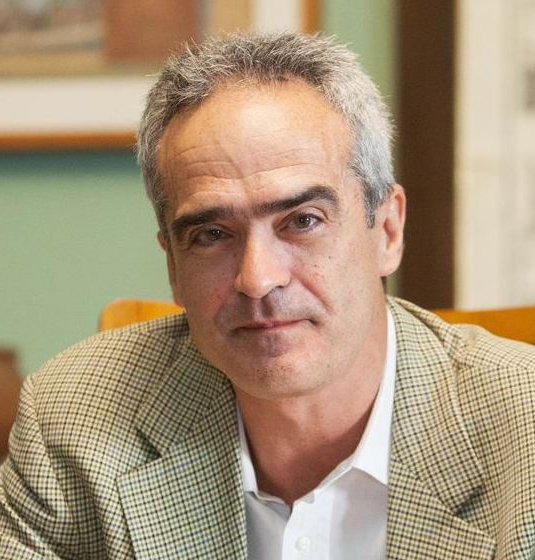
Rosario RIZZUTO
University of Padua and National Center for Gene Therapy and RNA Drugs
Rosario Rizzuto is President of the National Center for Gene
Therapy and RNA Drugs and Director of the Department of Biomedical
Sciences at the University of Padua. He previously served as
Rector of the University of Padua from 2015 to 2021. He completed
his Medical degree in 1986 and earned a PhD in Biology and Molecular
Pathology in 1991 at the University of Padua.
Professor Rizzuto is Full Professor of General Pathology and continues
his research in cell biology, with a focus on intracellular signaling
mediated by calcium ions. His research has notably focused on the
mitochondrial calcium uniporter (MCU), the mitochondrial Ca2+
uptake pathway identified in 2011 by his research group.
He has an h-index of 112 (Scopus) and has authored more than 300
publications in leading international peer-reviewed journals,
including Science, Nature, and Cell. His work has been recognized with
several prestigious awards, including the Chiara D’Onofrio Prize,
the Biotec Award, the Theodor Bucher Medal, and the Antonio Feltrinelli
Prize from the Accademia dei Lincei. Professor Rizzuto is a member of
Academia Europaea and the Accademia Nazionale dei Lincei, as well as
of the Galileian Academy, the Veneto Institute of Science, Letters and
Arts, and the European Molecular Biology Organization (EMBO).
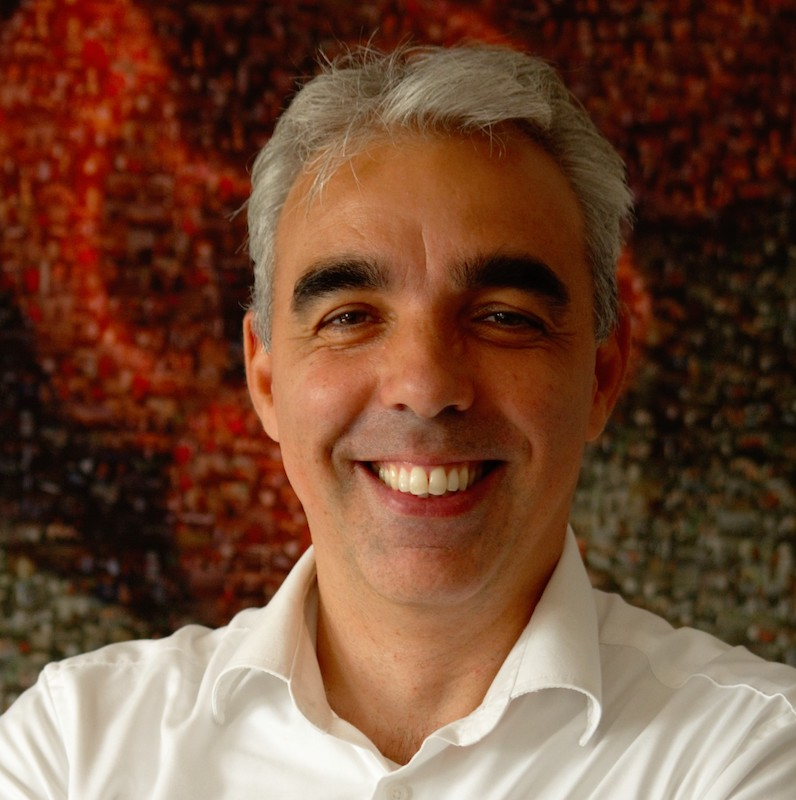
Raymond SCHIFFELERS
University Medical Center Utrecht
Raymond Schiffelers studied Bio-Pharmaceutical Sciences at Leiden University (1990-1995). After an industrial traineeship at SmithKline Beecham Pharmaceuticals (UK) he did his PhD in medical microbiology at Erasmus University Rotterdam on liposomal targeting of antimicrobial agents (1996-2001). Subsequently he became post-doc at Utrecht University working on liposomes targeting tumor vasculature. In 2002-2003, at Intradigm Co (USA) he expanded his tumor vasculature-targeting work with polymers for delivery of siRNA. After his return to Utrecht University he became assistant and then associate professor. He co-invented OncoCort® a nanomedicine formulation of corticosteroids that will enter clinical trials in 2015. In 2011, he moved to the Laboratory for Clinical Chemistry & Hematology of the University Medical Center Utrecht to work on nanomedicines, both for diagnosis and therapy. In particularly, he focuses on extracellular vesicles in the circulation as inspiration for new drug delivery systems and diagnostic readouts. He is founding member of the International Society for Extracellular Vesicles (ISEV) founding member and member organizing committee for the ISEV2014-annual meeting, Associate Editor of the Journal Extracellular Vesicles and editor of the International Journal of Pharmaceutics and the Journal of Controlled Release. He is Founder of EXCYTEX-an extracellular vesicle-based company and member of the Scientific Advisory Board for a number of start-up companies.
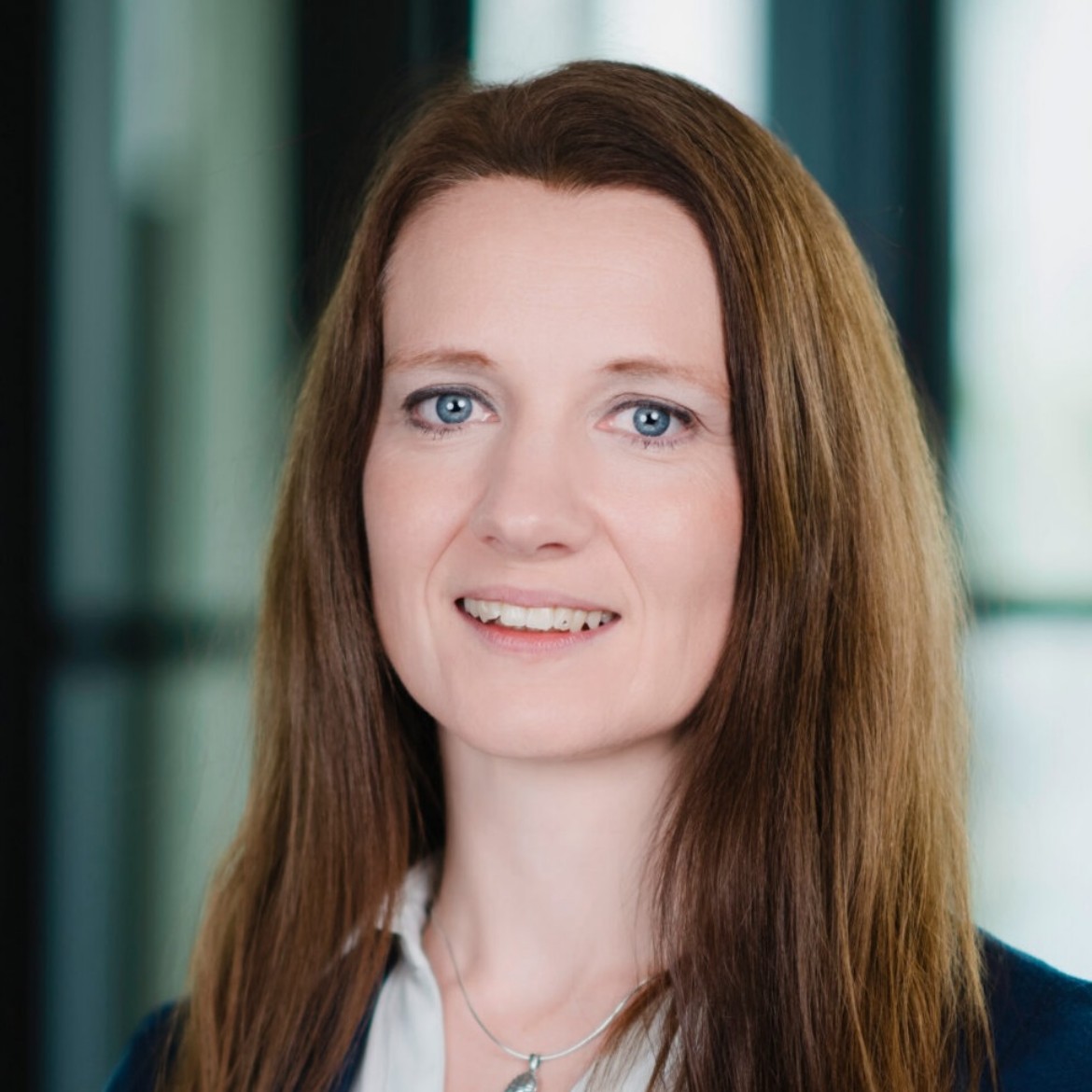
Olivia M. MERKEL
Ludwig-Maximilians-Universität München
Olivia Merkel has been a Professor of Drug Delivery at LMU Munich since 2015, Chair since 2022, and Vice-Director of the Department of Pharmacy since 2024. She is a Registered Pharmacist, received a MS (2006) and a PhD (2009) in Pharmaceutical Technology as well as numerous awards, including an ERC Starting Grant, ERC Proof-of-Concept Grant, and ERC Consolidator Grant, the APV Research Award and the Carl-Wilhelm-Scheele-Award. Merkel is the co-spokesperson for the BMBF Future Cluster CNAT-M and an author of over 150 articles and book chapters. She served as NIH reviewer from 2014-2015, SNSF reviewer from 2018-2022, is an Editorial Board member for JCR, EJPB, Molecular Pharmaceutics and other journals, Associate Editor for DDTR and WIREs Nanomedicine and Nanobiotechnology, was the President of the German Controlled Release Society in 2020 and the Chair of the CRS Focus Group on Transdermal and Mucosal Delivery from 2020-2022, and currently is a scientific advisory board member of Coriolis Pharma, AMW, and Corden Pharma as well as a co-founder of RNhale. Her research focuses mainly on RNA formulation and pulmonary delivery for the treatment of a variety of lung diseases.

Rory JOHNSON
University College Dublin
Rory Johnson is Associate Professor at University College Dublin, where his research focuses on uncovering the roles of long noncoding RNAs (lncRNAs) in human health and disease using a blend of bioinformatic and experimental methods. He earned an MSc in Physics from Imperial College London in 2000, followed by a Wellcome Trust PhD scholarship at the University of Leeds, where he investigated the roles of microRNAs in neurodegenerative disease (2007). After postdoctoral work at the Genome Institute of Singapore, he received a Ramon y Cajal fellowship at the Centre for Genomic Regulation (Barcelona). There, in collaboration with the GENCODE consortium, he contributed to foundational long noncoding RNA gene annotations. During this time, he also developed pioneering CRISPR-Cas and bioinformatics tools that drive his lab's discovery of cancer-promoting lncRNAs. In 2016, he founded the Laboratory for Genomics of LncRNAs (GOLD Lab), which now comprises 15 experimental and computational biologists. The lab collaborates actively with international consortia, including Genomics England and FANTOM.
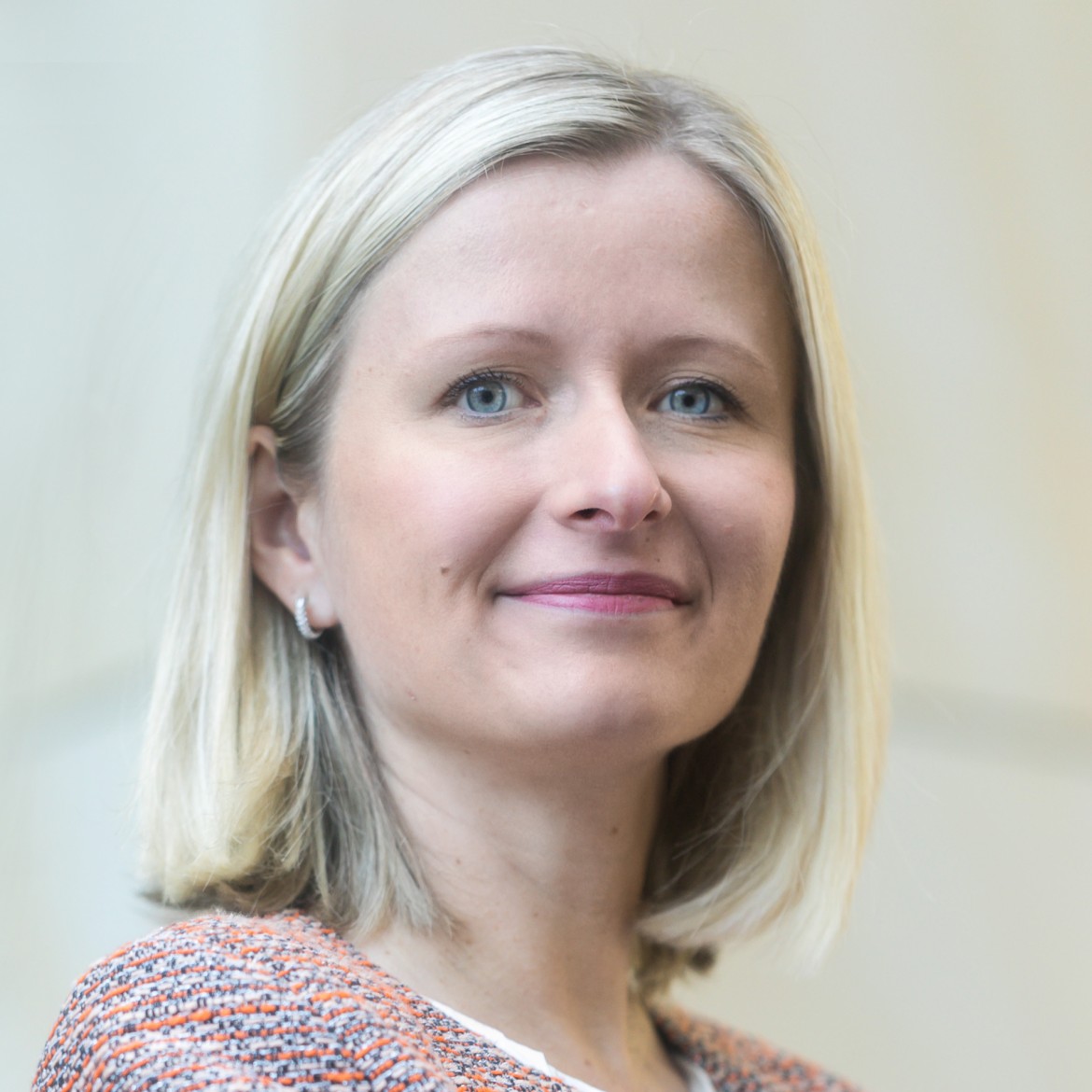
Sarah HEDTRICH
University of British Columbia
Prof. Hedtrich obtained her PhD in Pharmaceutical Sciences from the Freie Universität Berlin in 2009. During her postdoc, she moved to the Ludwig-Maximilians-University in Munich and Tufts University in Boston, USA. She held one of the prestigious Johanna- Quandt-Professorships at the Berlin Institute of Health @ Charité in Berlin and currently serves as a Tier I Canada Research Chair in Human Disease Models at the School of Biomedical Engineering at the University of British Columbia. Her research centers around inflammatory and genetic diseases of human epithelia with a focus on skin and lungs and bioengineering of complex, human disease models which are leveraged to develop personalized next-generation therapies. She co-/authored over 95 peer-reviewed journal articles in high-impact journals including the Cell Stem Cell, ACS Nano, Small, Nature Reviews Bioengineering, and EMBO Molecular Medicine.
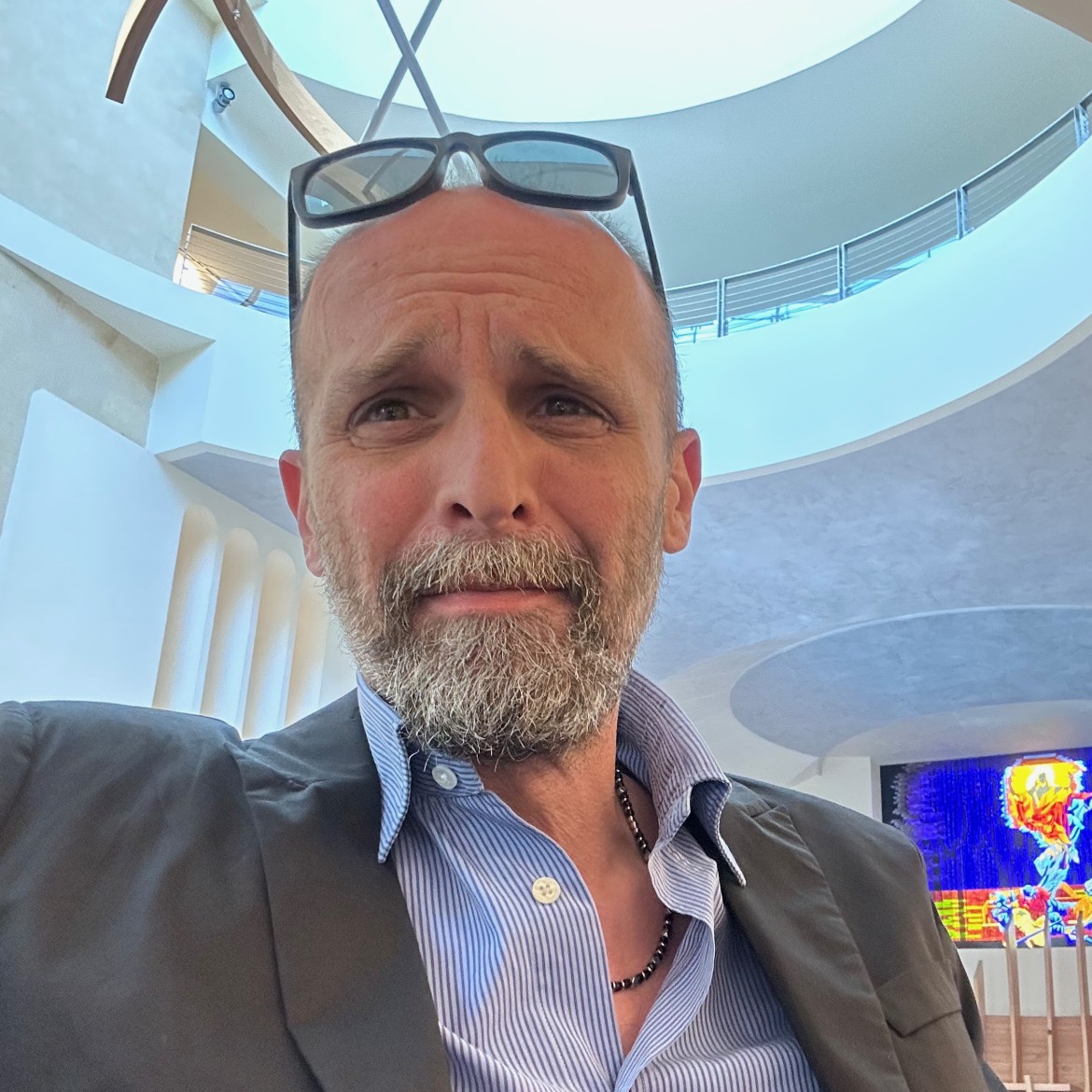
Giovannio TOSI
Università di Modena e Reggio Emilia
Prof. Giovanni Tosi is Full Professor of Pharmaceutical Technology at the University of Modena and Reggio Emilia (Italy), where he coordinates the Nanotech and Nanomedicine Laboratory. His research focuses on nanomedicine and advanced drug delivery systems, with particular emphasis on crossing biological barriers for the treatment of neurological disorders and cancer. He leads several national and European projects, including nanoparticle-mediated therapies for glioblastoma, neurodegenerative diseases, and RNA-based therapeutics. Prof. Tosi serves as Secretary of the European Technology Platform for Nanomedicine (ETPN) and coordinates the Italian Nanomedicine Platform. He directs the Hospital Pharmacy Specialization School and the PhD program in Health Innovative Products and Technologies (HIP-TECH). He has authored over 120 publications with more than 5,600 citations (H-index 41).
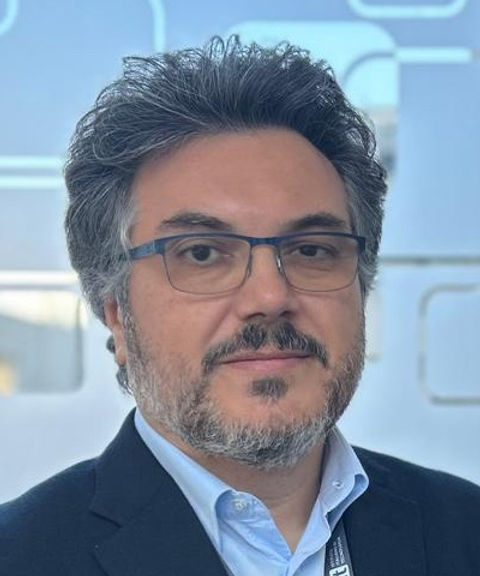
Paolo DECUZZI
Italian Institute of Technology & Stanford University
Paolo Decuzzi is a Senior Scientist and the Founding Director of the Laboratory of Nanotechnology for Precision Medicine at the Italian Institute of Technology in Genoa – Italy. Dr. Decuzzi earned his M.Sc. degree in Mechanical Engineering from the Polytechnic University of Bari (Italy) in 1997 and his Ph.D. degree in Mechanical Engineering from the University of Naples – Federico II (Italy) in 2001, with a thesis on friction and adhesion at the nanoscale. In 2002, he was nominated Assistant Professor of Machine Design at the Polytechnic University of Bari and, in 2005, he became Associate Professor in the School of Medicine of the University ‘Magna Graecia’ of Catanzaro. There, he co-founded BioNEM - the laboratory of BioNanotechnology and Engineering for Medicine - one of the first nano-engineering laboratories built in a School of Medicine, worldwide. In October 2007, he joined The University of Texas Health Science Center in Houston as an Associate Professor of Biomedical Engineering. In October 2010, he moved to the Houston Methodist Hospital where he served as a Professor of Biomedical Engineering until July 2015. There, he founded the Center for the Rational Design of Multifunctional Nanoconstructs, with the financial support of the Cancer Prevention and Research Center of Texas and the US National Cancer Institute; and served first as the co-Chair of the Nanomedicine Department and then as the interim Chair of the Translational Imaging Department. In July 2014, Dr. Decuzzi was awarded a European Research Council “Consolidator Grant” to design, synthesize and develop nanoconstructs for imaging and therapy in brain cancer. In July 2015, he joined the Italian Institute of Technology in Genova. He is also a visitng professor at Stanford University in the Stanford University School of Medicine.